 EN
EN  RU
RU  DE
DE  ES
ES  PT
PT  KO
KO  JA
JA  FR
FR  AR
AR 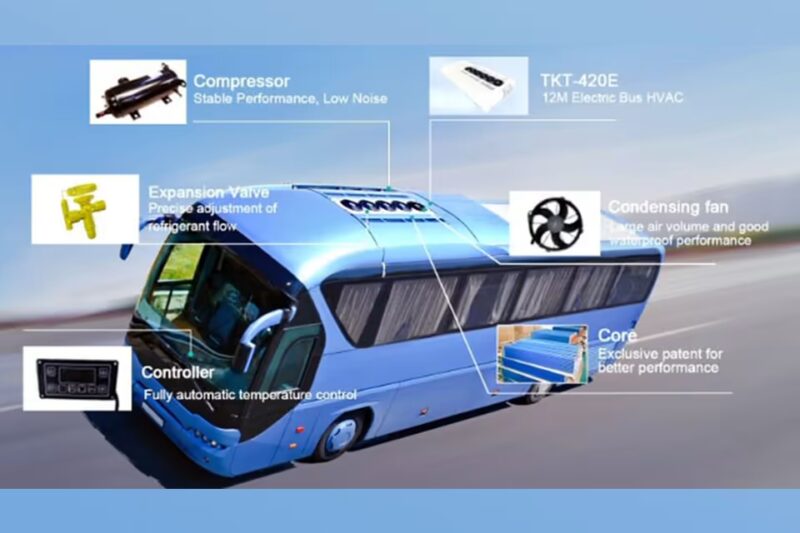
Step onto an electric bus on a hot afternoon and feel that first wave of cool air—that’s the quiet work of blower fans. While batteries and motors often get the attention, these small air movers quietly shape how comfortable, efficient, and even how far an e-bus can go on a single charge.
As cities upgrade their fleets to electric, HVAC systems are under new pressure to remain efficient and comfortable. The real challenge is to keep passengers cool without draining the battery.
Why HVAC Efficiency Matters
In diesel buses, cabin heat comes “free” from engine waste heat. Electric buses don’t have that advantage. Every watt used by the HVAC system comes from the same battery that drives the wheels.
Here’s how weather affects range based on real fleet data:
| Condition | Range Reduction | Main Reason |
| Below 0°C | Up to 40% | Heavy cabin heating |
| Above 30°C | Around 25% | Cooling load |
| Mild weather | Around 10% | Moderate HVAC use |
When HVAC takes as much as 40% of total power during extreme weather, improving fan efficiency becomes one of the easiest ways to extend driving range and lower running costs.
What Blower Fans Actually Do
Blower fans act like the bus’s internal air circulation system, moving air through coils, vents, and filters to maintain consistent temperature and air quality.
| Function | Purpose |
| Air circulation | Keeps the temperature balanced in the cabin |
| Heat exchange | Helps heating and cooling run efficiently |
| Defogging | Keeps windows clear |
| Battery cooling | Supports temperature management systems |
Without efficient airflow, passengers start to feel uncomfortable, and the system ends up working harder than it should.
Higher Standards for Electric Buses
Electric buses have less space, less available power, and quieter cabins, which means HVAC components must perform better.
Many manufacturers are now turning to EC (Electronically Commutated) blower fans for their energy efficiency and low noise.
At Shenzhen Xinqifeng Technology, we’ve seen strong demand for compact EC centrifugal blowers designed specifically for e-bus HVAC systems. They help improve airflow while keeping energy use low and sound levels comfortable for passengers.
EC vs DC Fans: What’s the Difference?
| Feature | DC Fan | EC Fan |
| Efficiency | Around 75% | 90% or more |
| Power Use | Higher | 25–30% lower |
| Lifespan | 15,000 hours | 40,000+ hours |
| Noise | Moderate | Below 55 dB(A) |
| Maintenance | Brush replacement needed | Maintenance-free |
Switching to EC blower fans can reduce HVAC energy use by up to 25% and increase range by 10 to 20 kilometers per charge.
Case Example: Energy Savings in Real Use
A Southeast Asian bus operator replaced traditional blowers with EC models in its 12-meter e-buses. After three months, the results were impressive:
- 21% lower HVAC energy use
- 18 km more range per charge
- 4 dB quieter cabins
Passengers enjoyed a calmer ride, while operators saved on maintenance and charging costs.
Compact Design, Strong Airflow
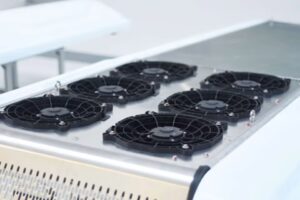
Space inside electric buses is tight, especially for rooftop or under-seat HVAC units. Compact EC blowers from Xinqifeng Technology use aerodynamic impellers that move large volumes of air without taking up extra room.
Custom voltage options from 24V to 72V and protection ratings up to IP67 make them suitable for different climates and installation environments.
Quiet Comfort for Every Passenger
Since electric buses are naturally quiet, HVAC noise easily stands out. Well-designed EC blowers keep noise levels below 55 dB(A), so passengers can enjoy a peaceful trip even when the air system runs at full speed.
Smart Airflow for a Smarter Future
The next generation of EC blowers is getting smarter. With CAN bus communication, fans can automatically adjust speed based on passenger numbers, humidity, or CO₂ levels.
They can even monitor their own performance and alert operators before maintenance is needed, saving both time and energy.
Final Thoughts
Blower fans may not be the most visible part of an electric bus, but they play a decisive role in comfort, efficiency, and overall performance.
High-performance EC blowers from Shenzhen Xinqifeng Technology make HVAC systems smarter, quieter, and more reliable—helping electric transport move toward a cleaner, more sustainable future.