 RU
RU  EN
EN  DE
DE  ES
ES  PT
PT  KO
KO  JA
JA  FR
FR  AR
AR 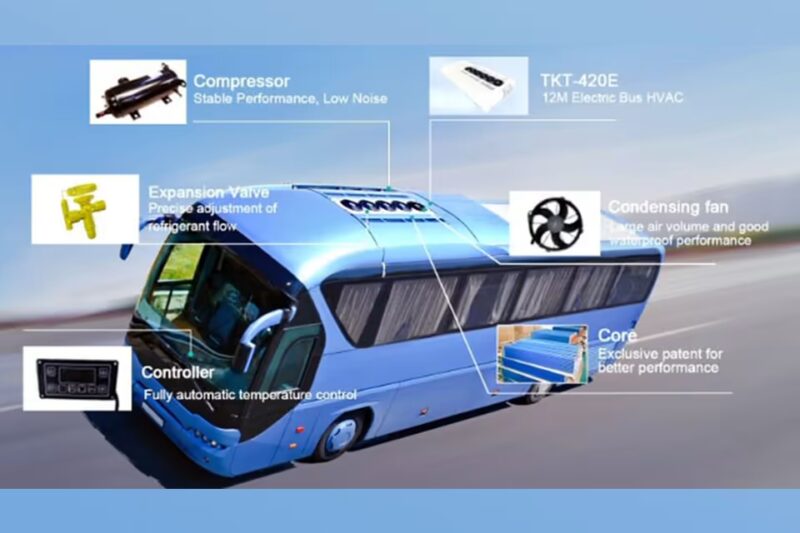
Сядьте в электрический автобус жарким днем и почувствуйте первую волну прохладного воздуха — это тихая работа вентиляторов. В то время как батареи и двигатели часто привлекают внимание, эти небольшие воздуходувки незаметно определяют, насколько комфортным, эффективным и даже как далеко может проехать электробус на одном заряде.
По мере того как города переводят свои автопарки на электричество, системы ОВКВ испытывают новое давление, чтобы оставаться эффективными и комфортными. Настоящая задача состоит в том, чтобы поддерживать прохладу для пассажиров, не разряжая аккумулятор.
Почему важна эффективность систем ОВКВ
В дизельных автобусах тепло в салоне поступает «бесплатно» от отработанного тепла двигателя. Электрические автобусы не имеют этого преимущества. Каждый ватт, потребляемый системой ОВКВ, поступает от той же батареи, которая приводит в движение колеса.
Вот как погода влияет на запас хода на основе реальных данных автопарка:
| Условие | Снижение запаса хода | Основная причина |
| Below 0°C | Up to 40% | Heavy cabin heating |
| Above 30°C | Around 25% | Cooling load |
| Mild weather | Around 10% | Moderate HVAC use |
When HVAC takes as much as 40% of total power during extreme weather, improving fan efficiency becomes one of the easiest ways to extend driving range and lower running costs.
Что на самом деле делают вентиляторы
Blower fans act like the bus’s internal air circulation system, moving air through coils, vents, and filters to maintain consistent temperature and air quality.
| Function | Purpose |
| Air circulation | Keeps the temperature balanced in the cabin |
| Heat exchange | Helps heating and cooling run efficiently |
| Defogging | Keeps windows clear |
| Battery cooling | Supports temperature management systems |
Without efficient airflow, passengers start to feel uncomfortable, and the system ends up working harder than it should.
Более высокие стандарты для электрических автобусов
Electric buses have less space, less available power, and quieter cabins, which means HVAC components must perform better.
Many manufacturers are now turning to EC (Electronically Commutated) blower fans for their energy efficiency and low noise.
At Shenzhen Xinqifeng Technology, we’ve seen strong demand for compact EC centrifugal blowers designed specifically for e-bus HVAC systems. They help improve airflow while keeping energy use low and sound levels comfortable for passengers.
EC vs DC Fans: What’s the Difference?
| Feature | Вентилятор постоянного тока | EC Fan |
| Efficiency | Around 75% | 90% or more |
| Power Use | Higher | 25–30% lower |
| Lifespan | 15,000 hours | 40,000+ hours |
| Шум | Moderate | Below 55 dB(A) |
| Maintenance | Brush replacement needed | Maintenance-free |
Switching to EC blower fans can reduce HVAC energy use by up to 25% and increase range by 10 to 20 kilometers per charge.
Пример: Экономия энергии в реальных условиях
A Southeast Asian bus operator replaced traditional blowers with EC models in its 12-meter e-buses. After three months, the results were impressive:
- 21% lower HVAC energy use
- 18 km more range per charge
- 4 dB quieter cabins
Passengers enjoyed a calmer ride, while operators saved on maintenance and charging costs.
Компактный дизайн, мощный воздушный поток
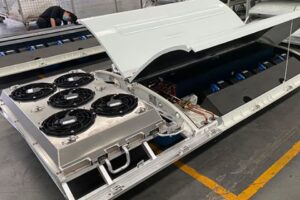
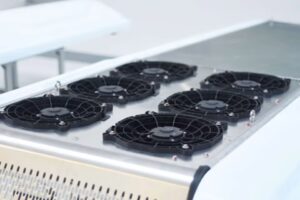
Space inside electric buses is tight, especially for rooftop or under-seat HVAC units. Compact EC blowers from Xinqifeng Technology use aerodynamic impellers that move large volumes of air without taking up extra room.
Custom voltage options from 24V to 72V and protection ratings up to IP67 make them suitable for different climates and installation environments.
Тихий комфорт для каждого пассажира
Since electric buses are naturally quiet, HVAC noise easily stands out. Well-designed EC blowers keep noise levels below 55 dB(A), so passengers can enjoy a peaceful trip even when the air system runs at full speed.
Умный воздушный поток для более умного будущего
The next generation of EC blowers is getting smarter. With CAN bus communication, fans can automatically adjust speed based on passenger numbers, humidity, or CO₂ levels.
They can even monitor their own performance and alert operators before maintenance is needed, saving both time and energy.
Заключительные мысли
Blower fans may not be the most visible part of an electric bus, but they play a decisive role in comfort, efficiency, and overall performance.
High-performance EC blowers from Shenzhen Xinqifeng Technology make HVAC systems smarter, quieter, and more reliable—helping electric transport move toward a cleaner, more sustainable future.